How to Start a Neighborhood Tool-Sharing Group in a Rural Town
October 10, 2026 - Community


October 03, 2026 - Countryside
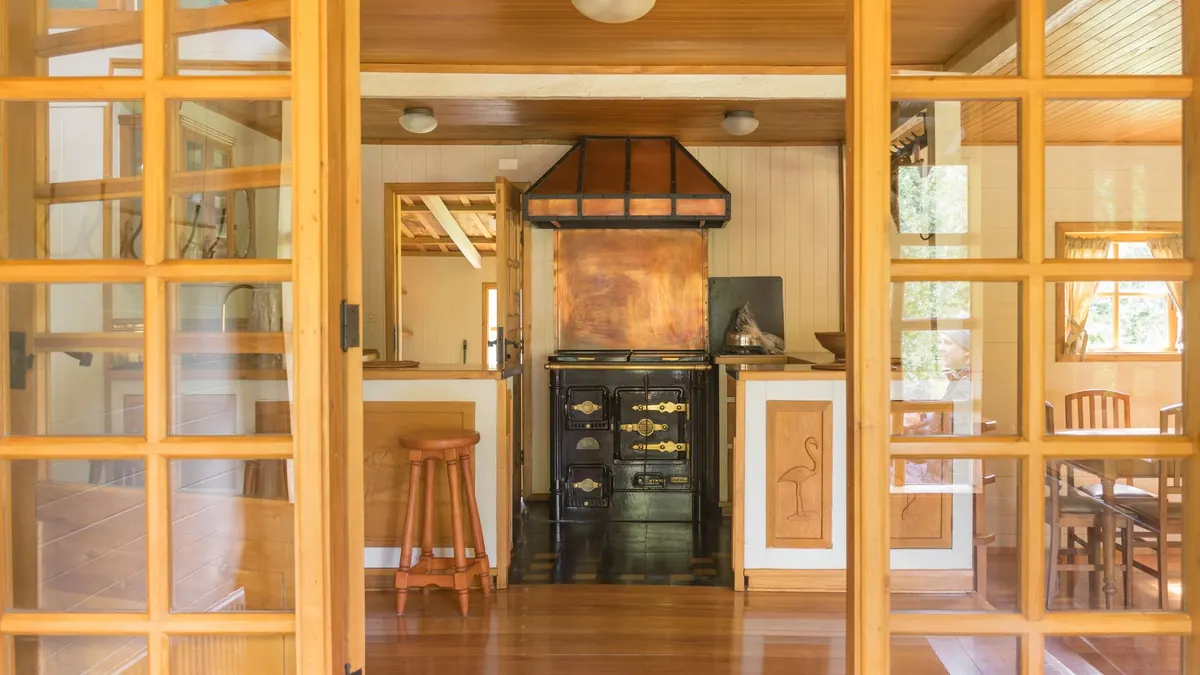
A pellet stove runs on a thermostat and a small electric motor. A wood stove runs on your arms, your axe, and a dry stack of maple. Both will heat a farmhouse kitchen, and owners of each will defend their choice with real conviction. The useful question isn't which one is better. It's which one fits the way you actually live, the fuel you can get, and how you want to spend a Saturday in January.
Most country homes use a stove in one of two ways: as the main heat for the living space, or as backup and atmosphere when the furnace is struggling and the power is flickering.
If the stove is your primary heat, a pellet stove is easier to live with. It feeds itself from a hopper, holds a set temperature, and asks almost nothing of you on a Tuesday night when you get home late. A wood stove as primary heat means someone is home to feed it, or the house cools off. That's fine for a household with someone around during the day. It's less fine for a commuter with a long drive and a cold evening ahead.
If the stove is backup and pleasure, a wood stove wins on independence. It also wins on the pleasure part. There's no honest way to compare the sound of a pellet auger with the smell of split oak catching in a cold firebox.
Wood stoves are radiant heaters. You feel them directly, which is wonderful at ten feet and less wonderful at thirty. Rooms far from the stove may stay cool unless you have a blower, a ceiling fan, or a layout that lets heat drift. Soapstone and cast iron stoves hold heat longer and soften the swings between a roaring fire and a bed of coals, but they still expect regular attention.
Pellet stoves are convective. A fan pushes warmed air into the room, so the heat is gentler, more even, and easier to move down a hallway. Many models run on a wall thermostat or a programmable schedule, which means the house is warm when you wake up without anyone getting up at 5 a.m. to load a firebox.
Firewood looks cheap and often isn't. Free wood from your own woodlot still costs a chainsaw, fuel, bar oil, a splitter or a maul, a truck, and two years of stacking and seasoning before it burns well. Buying split, seasoned firewood by the cord removes the labor, but the price swings with species, region, and season. Ask two local sellers and a neighbor before you assume anything.
Moisture matters more than species for most people. Firewood seasoned down to roughly 20 percent moisture or lower gives more usable heat per pound and far less creosote in the chimney. A cheap moisture meter and a covered, off-the-ground stack do more for your stove than an expensive upgrade.
Pellets are standardized and sold by the bag or the ton, which makes them predictable. They must stay bone dry. Damp pellets swell, crumble, and jam an auger, so a garage floor that floods in March is not a pellet store. Buy a pallet in summer if you have dry storage, and keep a few bags inside near the stove.
Before you commit, answer a few questions honestly:
A pellet stove is convenient in the way a dishwasher is convenient. You press a button, it works, and you clean it less often. The trade is that you're dependent on manufactured fuel, a control board, and electricity. When something fails, you're ordering a part, not sharpening a saw.
A wood stove is inconvenient in the way a garden is inconvenient. It asks for daily effort and rewards you with independence. It has no auger to jam, no circuit board to fail, and a basic non-catalytic model will heat through an outage with nothing but fuel and a match. Many of us who heat with wood would say the chore is part of the point.
Pellet stoves generally burn more completely than wood stoves because the fuel is uniform and the feed rate is metered. That means steadier heat, less visible smoke, and often less ash per unit of heat. Modern EPA-certified wood stoves are a different animal from the old smoke dragons, but real-world efficiency still depends on the installation, the chimney's draft, the dryness of your wood, and how you run the air control.
A few habits matter more than the spec sheet:
This is where the two stoves part company most sharply, and it's the reason a lot of rural households end up with both.
Pellet stoves need electricity for the auger, the combustion fan, and the room fan. Some draw modest wattage and can run from a battery bank and inverter or a small generator, but check with the manufacturer before you assume it. Many want clean, stable power, and the wrong setup can damage the board. If the power drops mid-burn, the fire pot fills with unburned pellets and you're cleaning it out before you can restart. If outages in your area are short and rare, this is a minor annoyance. If they last days, it's a real problem.
A simple wood stove needs no power at all. That's its strongest argument in a place where the grid is a suggestion. Pair it with a dry woodpile, a good axe, and a headlamp, and you have heat through whatever the weather does.
Talk to your insurer and your local building department first. Wood heat often requires a permitted, professionally installed chimney or an inspection, and some policies ask specific questions about it. It's far cheaper to learn the rules before delivery day than after. For anything involving permits, insurance, or code, get local advice from the inspector and your agent rather than relying on a forum post.
Then size the stove to the space, not to your ambitions. An oversized stove that you have to choke down will smoke, creosote, and cook you out of the room. Think about where the heat needs to go, whether you want a blower, and who will do the annual maintenance. Buy from a dealer who stocks parts and services what they sell.
Whichever you choose, the fuel and the chimney decide most of the outcome. Dry wood or dry pellets, a clean flue, and an installation done properly will beat a fancy stove fed badly every time. Pick the one that matches your winter, your back, and your tolerance for chores, and you'll heat the place well for years.
Photo: Diego Gonzalez / Pexels
A practical guide to starting a rural tool-lending library: how to survey interest, choose a structure, build a...
Woven wire, electric, barbed, and portable fencing each suit different animals and budgets. Here's how to choose for...
Copyright © 2026 Humble Vale. All Right Reserved.