How to Start a Neighborhood Tool-Sharing Group in a Rural Town
October 10, 2026 - Community


October 03, 2026 - Countryside
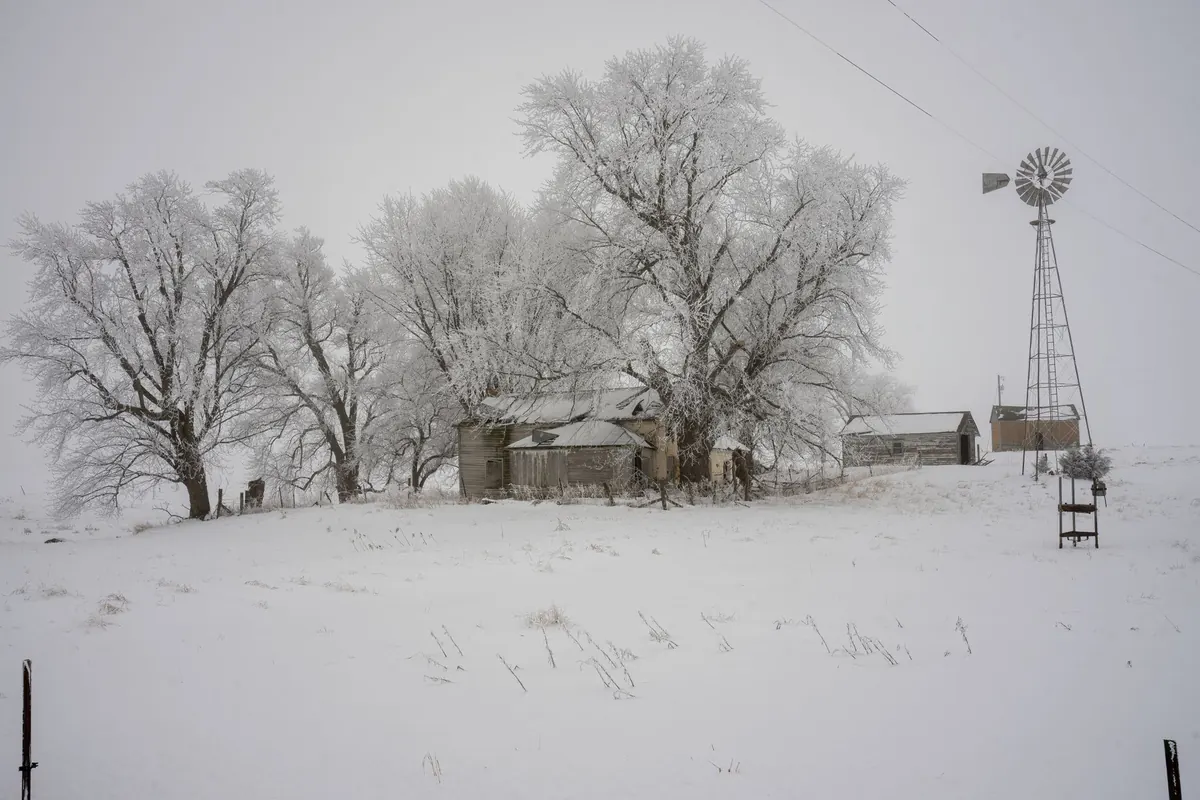
A farmhouse in July forgives almost anything. By January it keeps a careful ledger. The crack in the foundation, the pipe that runs along the north wall, the storm window you meant to rehang in October — winter finds all of them, usually on the coldest night of the year, usually around two in the morning.
The good news is that most winter damage is boringly predictable. Pipes freeze in the same places. Drafts come through the same seams. A weekend of work in late autumn, plus a few small habits through the dark months, will spare you the worst of it. Here is the checklist, ordered the way winter actually arrives: outside first, then water, then the rooms where you cook and sleep.
Everything outdoors needs handling before the soil hardens and your fingers stop cooperating.
Clear the gutters. Leaves and needles hold water, that water freezes, and the ice backs up under the shingles and into the eaves. Add downspout extensions so meltwater lands several feet from the foundation instead of pooling against it.
Close the crawlspace vents once the space is dry. Open vents all winter let cold air pour across the underside of your floors, but sealing a damp crawlspace traps moisture against the joists. If yours stays wet, deal with the drainage first.
Disconnect every garden hose and drain it. Shut off the interior valve feeding each outdoor spigot, then open the spigot to let the remaining water run out. If you have never located that shutoff, finding it now is far easier than finding it with a flashlight in freezing rain.
Fill the fuel tank early. Propane and heating oil deliveries slow to a crawl during a long cold snap, and the farm at the end of a dirt road is the last stop on the route. The same goes for firewood: order it in spring if you can, stack it off the ground, and cover only the top so air still moves through.
Rehang storm windows and caulk the gaps you can reach. A tube of exterior caulk and an afternoon will do more than you expect. Pound snow stakes along the driveway edge and near the roof line so the plow and the snow rake have something to aim at besides the lilacs.
If you only do one section of this list, do this one.
Find your main shutoff and make sure everyone in the house knows where it is. Tag the valve with a bright ribbon. In an emergency, nobody wants to be reading labels in a dark basement.
Insulate pipes in the crawlspace, the unheated cellar, and anywhere a run travels along an exterior wall. Foam sleeves are inexpensive and quick to install. For a genuinely vulnerable run, a plug-in heat cable can help, but only on pipe rated for it and only on a GFCI outlet.
On nights when the forecast drops into the teens, let one faucet at the far end of the system drip. Moving water freezes much more slowly than still water, and a slow trickle costs far less than a plumber's emergency call.
If you have a well, the pump house deserves its own attention. Insulate the door, keep a heat lamp or small heater on a thermostat inside, and check it during every cold snap. A frozen pump house means no water for the house and no water for the animals.
Leaving for a week? Either hold the thermostat no lower than about 55°F, or shut the water off at the main and drain the lines. Which approach suits your system depends on how it is plumbed, so ask a licensed plumber rather than guessing. The same goes for gas lines, furnace repairs, and well pump wiring: hire it out.
Most of a farmhouse's water lines are crammed into two rooms, and both are usually on the coldest side of the building.
Open the cabinet doors under the sink on bitter nights. It feels silly and it works. The kitchen is warmer than the cabinet interior, and letting that air circulate is often the difference between flowing water and a burst supply line.
Insulate the hot and cold lines under both sinks, especially where they run against an exterior wall. Add a foam wrap around the pipes in the bathroom vanity while you are at it.
Check the exhaust fans. A bath fan with a stuck damper leaves an open hole to the attic, and cold air will find it. Clean the grille, confirm the flap closes, and run the fan for a few minutes after showers rather than all evening.
Do not neglect a bathroom you rarely use. Run the taps briefly every few days, and pour a cup of water down floor drains and unused traps so the seal does not dry out and let sewer gas up into the house.
Single-pane windows are a fact of life in old farmhouses. Shrink-film kits are ugly for four months and genuinely effective. Rope caulk pressed into the seam between sash and frame peels off cleanly in spring. Heavy curtains help, but open them on sunny days; free solar heat is the oldest trick in the book.
Weatherstrip the frames, add a sweep to the bottom, and put a draft snake at the mudroom door. That door takes more traffic than any other in the house, and it is usually the leakiest. If you have a storm door, make sure the closer actually latches instead of resting ajar all winter.
Book the chimney sweep before the season starts, not in the middle of it. Creosote builds quietly, and a clean flue is the difference between a warm room and a house fire. A cap keeps rain, snow, and nesting animals out. Burn dry, seasoned wood, keep the damper closed when there is no fire, and store ashes in a metal can outside, well away from the siding.
A draft snake and a roll of rope caulk cost less than a tank of gas and do more for a cold mudroom than most people expect.
Have the furnace or boiler serviced in early autumn, and change the filter monthly through heating season. A furnace that limps along in October will quit in January.
If you keep a generator, test it under load, run it monthly, and store fuel with stabilizer. Never run it in the garage, the mudroom, or under a window. Carbon monoxide kills quietly, and rural responders are a long way out. Put CO detectors on every level and test them the same day you test the smoke alarms.
Then build the storm shelf, so a three-day outage is an inconvenience rather than a crisis:
Livestock handle cold far better than they handle wet and windy. Fix the draft that hits the animals at back height, but do not seal the barn tight. Ventilation carries moisture out, and damp air chills animals faster than cold air does. Deep, dry bedding does more for warmth than any heater you can buy.
Water is the real chore. Trough heaters on GFCI outlets, a spare heater on the shelf, and hoses drained and hung after every use. Check frost-free hydrants before freeze-up; one that leaks at the top will freeze underground and stay frozen for weeks.
For equipment, put antifreeze in the tractor, keep the battery on a maintainer or pull it indoors, and inspect the block heater cord for cracks. Store feed and hay under cover with a few extra days on hand, because the road drifts shut at the worst possible time.
When the forecast turns serious, ten minutes of prep covers most of the risk:
None of this is glamorous work. It is the ordinary maintenance that makes a rural winter feel less like a siege: gutters cleared in October, pipes wrapped in November, wood stacked where you can reach it through the snow. Do it on a mild afternoon with a mug of coffee in hand, and the coldest week of the year will pass the way it should — quietly, with the kettle on and nothing to fix until morning.
Photo: Tom Fisk / Pexels
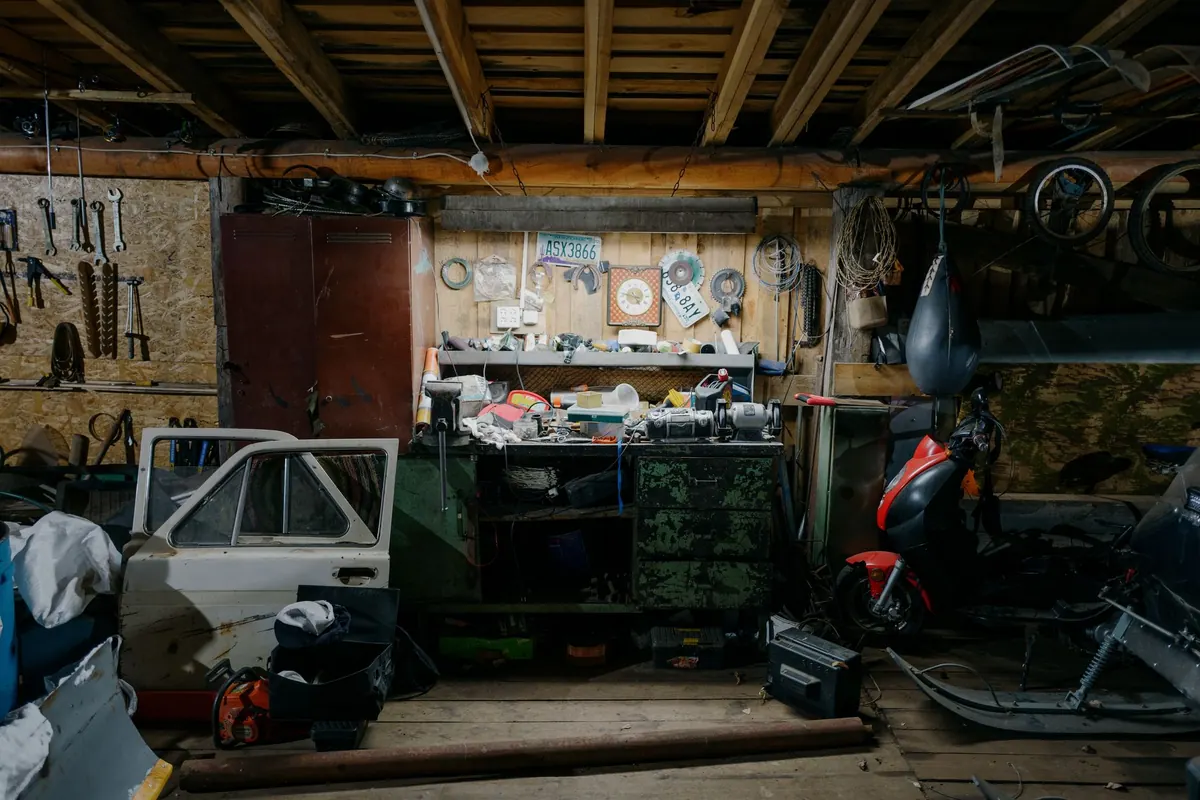
A practical guide to starting a rural tool-lending library: how to survey interest, choose a structure, build a...
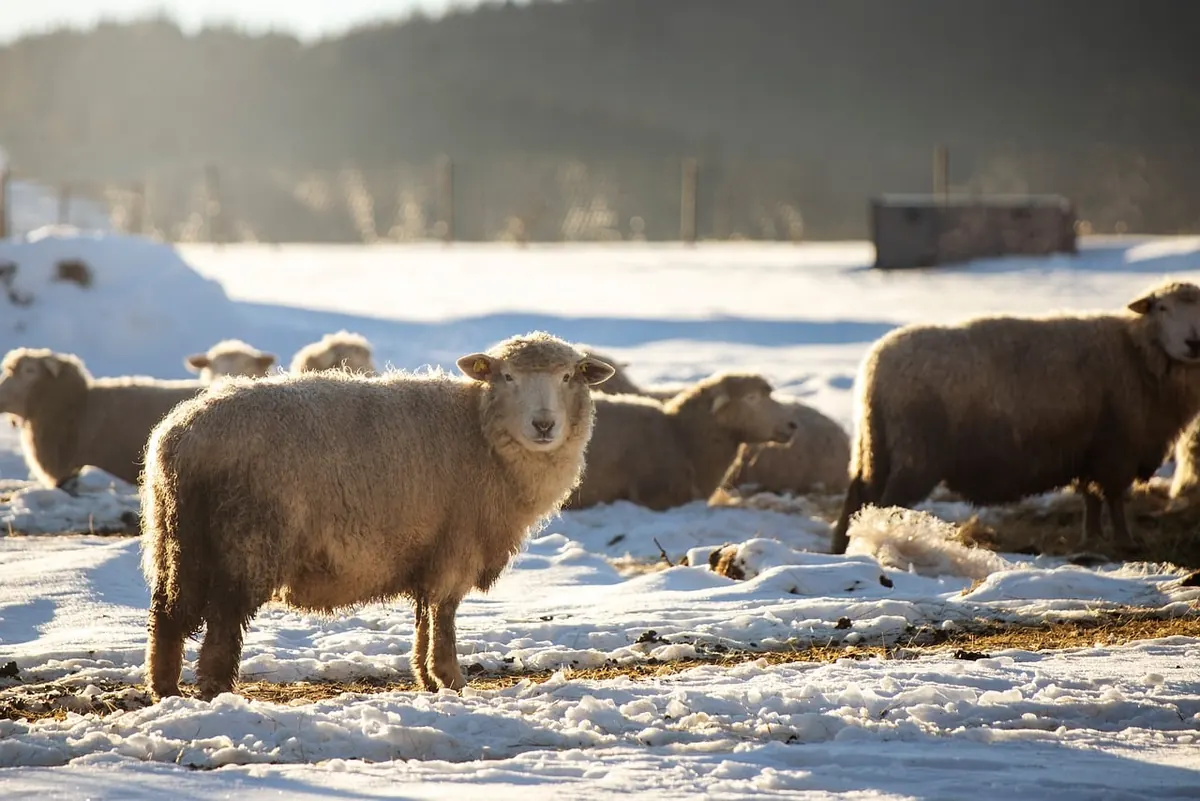
Woven wire, electric, barbed, and portable fencing each suit different animals and budgets. Here's how to choose for...
Copyright © 2026 Humble Vale. All Right Reserved.