How to Start a Neighborhood Tool-Sharing Group in a Rural Town
October 10, 2026 - Community


October 03, 2026 - Countryside
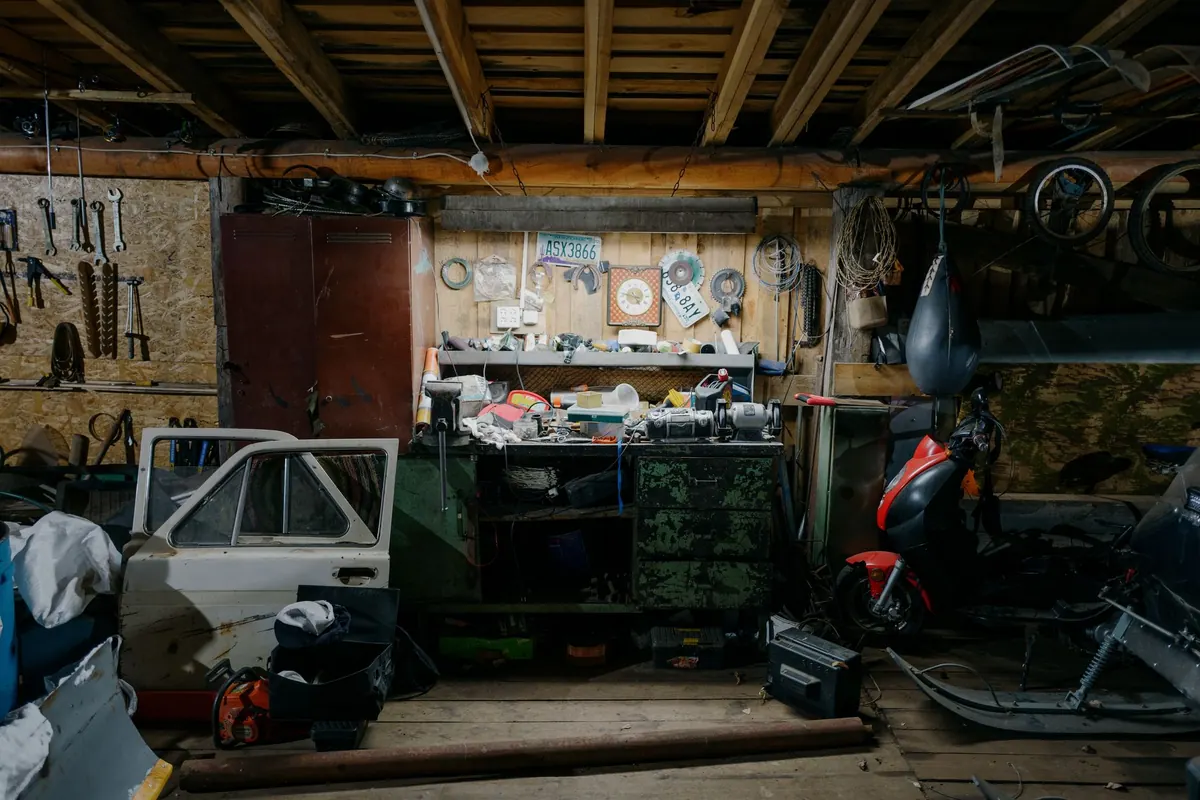
The first posthole digger I borrowed came with a warning: "Don't hit the root by the fence, I already broke one handle on it." I dug twenty-two holes that weekend and returned it with a new handle from my barn. A tool, a caution, a repair, a thank-you across a gravel driveway — that's the whole idea behind a neighborhood tool-sharing group. In a small town the arrangement usually starts informally, and then somebody says, "We ought to make this official." Here's how to do that without turning it into a bureaucracy.
Rural households tend to own the same fifty tools and lack the same twenty. You have a socket set, a chainsaw, a mower, a rack of shovels, and a ladder that is somehow never tall enough. What you don't have is a fence stretcher, a tile spade, a cement mixer, or a trailer big enough for the hay rake — and renting any of those means driving thirty minutes each way, twice.
Sharing solves a time problem as much as a money problem. It also puts neighbors in contact in a way that potlucks don't quite manage. People who have swapped a generator know each other a little differently than people who only wave at the mailbox.
The instinct is to find a shed. Resist it for a month. Spend that month asking questions instead, one kitchen table at a time:
Keep it low-tech. A clipboard at the feed store, a note in the church bulletin, a group text after Sunday coffee. Expect two or three items nobody wants to share — a chainsaw is the usual one, and rightly so. A group that pretends everyone lends everything to everyone will quietly lose members. Write the exclusions down and respect them.
A spreadsheet or a notebook and a group text. No dues, no officers, no building. Someone keeps the list current and everyone returns what they borrow. This is where nearly every group starts.
One host garage or shed, set hours, a common inventory, a sign-out book. It works best when the host is retired, home most days, and genuinely enjoys the traffic.
Dues, a small board, a keypad lock, and enough volume to justify real insurance. More capacity, more meetings.
Whatever you choose, call your insurance agent before you invite the neighborhood to borrow a pressure washer. Homeowners policies vary on lending property and on liability if someone is hurt using a tool that came from your shelf, and a twenty-minute phone call costs less than guessing. If your group handles anything with real risk — chainsaws, ladders, tractors — ask a local attorney what wording and waiver make sense in your state. This is not an area to improvise from a forum post.
You don't need a budget for the first year. Ask for duplicates, keep an eye on estate sales and farm auctions, and accept donations with one rule: nothing broken and nothing you'd be embarrassed to hand a neighbor. Tag each item with a number and the owner's name. Masking tape and a marker will do. Keep a "needs sharpening" basket so nobody borrows a dull chain or a leaking hose.
A reasonable starter shelf:
One form, printed and laminated, is enough. The fields: date, name, phone, tool number, due date, condition when it leaves, condition when it comes back. Index cards in a boot box genuinely work. So does a free spreadsheet.
Then a few rules of three: three items per household at a time, one week for most tools, renew with a text. Consumables — gas, oil, blades, staples, twine — are the borrower's responsibility. Return everything clean and in the shape you'd want to find it.
For a handful of high-value items, some groups ask a deposit or a simple written replacement agreement. That's a local decision, and it's much easier to make before something goes missing than after.
Then let it stay small and useful. The tools are the excuse. What you're actually building is a town where a broken water line at dusk means three phone calls and a working pump before dark. Start with ten people and one ladder.
Photo: Daniil Ustinov / Pexels

Woven wire, electric, barbed, and portable fencing each suit different animals and budgets. Here's how to choose for...
A seasonal routine of grading, drainage care, weed control, and small repairs keeps a gravel driveway smooth, firm,...
Copyright © 2026 Humble Vale. All Right Reserved.