How to Start a Neighborhood Tool-Sharing Group in a Rural Town
October 10, 2026 - Community


October 03, 2026 - Countryside
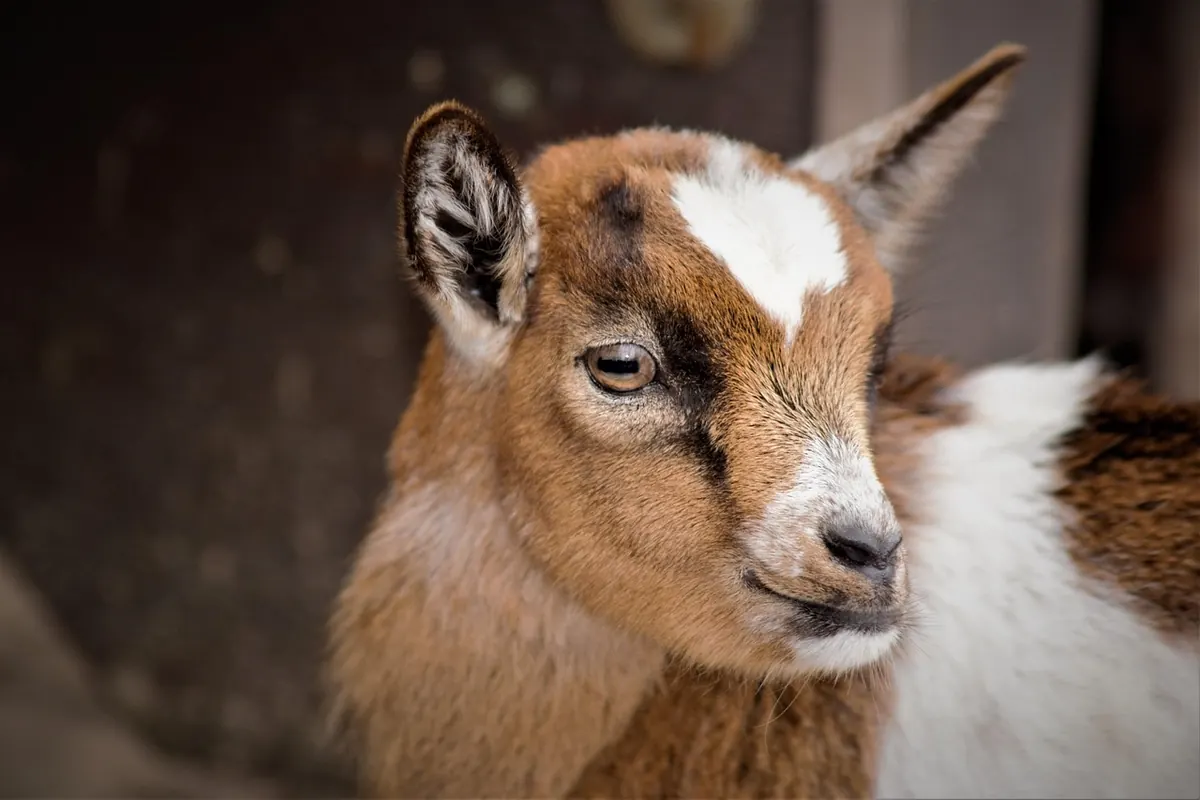
Goats have a reputation problem, and it's mostly our fault. Somewhere between the petting zoo and the glossy homestead photos, they got recast as cheap, easy, self-sufficient lawn mowers. The reality is a 150-pound animal with a toddler's curiosity, a squirrel's climbing ability, and a talent for finding the one weak spot in your fence. Almost every goat-keeping disaster is a setup problem rather than bad luck. Here are the mistakes that cause the most trouble — and the fixes that cost far less than the problems they prevent.
Goats don't respect a fence; they test it. Once one finds a gap, the whole herd knows within minutes. The most common error is borrowing fencing logic from sheep or cattle. Three-foot field fence, barbed wire, and chicken wire are all invitations.
What actually holds is woven wire at least four feet tall, stretched tight, with no gap at the ground and a strand of electric wire at nose height along the inside. Goats go under and over before they go through, so the bottom and the top matter more than most people expect.
Before animals arrive:
Then walk the line once a month with a fence tester and a pair of pliers. Ten minutes prevents most escapes. And when a goat does get out in the same corner twice, fix the reason, not just the hole. A brace that sags under a leaning doe will keep sagging forever, and a gate with daylight under it is an open door as far as they're concerned.
Hay is the backbone of the diet, and quality beats quantity. Moldy or dusty bales cause coughing and rumen trouble, and goats will sort through them, waste half, and stay hungry. Store hay dry and off the floor, and use a feeder that keeps it off the ground. Feeding on bare dirt wastes more than people expect and adds to parasite exposure, since the worms your goats shed land on the same ground they're eating from.
Goats are browsers, not grazers. They want brush, weeds, leaves, and variety. A bare paddock of short grass is a parasite nursery, not a goat paradise.
Two more frequent mistakes:
Keep water clean, too. Goats are fussy drinkers, and a dirty trough cuts intake quickly. Two does can drain a five-gallon bucket in a day during summer, so check twice and dump the algae before it becomes soup.
Two problems live here, and both come from underestimating the herd's basic needs.
The first is shelter. Goats are hardy, not waterproof. They hate wind, hate rain on their backs, and hate standing in mud. A three-sided run-in with the opening facing away from prevailing weather, a dry floor, and enough ventilation to move moisture out will do more for their health than anything else you build. Deep bedding that you add to all winter and muck out in spring beats a bare concrete slab. In hot climates the priorities flip: shade, airflow, and water become the whole game, because goats handle cold far better than they handle heat.
The second is company. A goat alone is a stressed animal, even when it looks calm. They're herd animals, wired to be anxious when nothing else is watching their back. Two is the polite minimum, and three is better. If you aren't planning to breed or milk, a pair of wethers eats less than a milk doe, costs less to keep, and gets along fine with a small flock of poultry or a horse.
A single goat isn't a low-maintenance version of two goats. It's a different animal entirely — usually a louder, sadder, more destructive one.
And don't buy a buck "for company" unless you actually need one. Intact males are strong, they smell strong, and they'll go through fencing that stops everyone else.
Bringing home a new goat and dropping it straight into the herd is how one animal's problem becomes everyone's. A new arrival should have its own pen, out of nose-to-nose contact, for at least 30 days. Use that time to have a fecal exam run, check the eyelids for anemia, and confirm the animal's vaccination and deworming history rather than assuming it.
Ask the previous owner for records: CDT dates, hoof trimming schedule, any history of abortion, pneumonia, or foot rot. A breeder who can't answer those questions isn't necessarily dishonest, but treat the animal as an unknown and handle it accordingly. Also record a body condition score and a weight estimate on arrival, with the date. Future-you, standing in the dark at 6 a.m. with a suddenly sick goat, will want to know what normal looked like.
Internal parasites — barber pole worm above all — are a leading cause of death in small goat herds, and they rarely announce themselves early. The first visible sign is often a pale lower eyelid, which means the animal is already seriously anemic. Learn to check eyelids, and check every goat every couple of weeks through the warm months.
What makes parasites worse:
Most beginners buy the first nice-looking goats they find, then bend the land and the routine around them. It works better the other way. Decide what you actually want — brush cleared, milk, meat, or pets that happen to mow — and let that choose the animal. A dairy breed wants more grain and a stricter milking schedule than many people expect. A fiber breed needs shearing. A meat breed grows fast and eats accordingly.
Then match the animal to your climate and acreage. Wethers and miniature breeds suit small lots and rocky ground; full-size dairy does suit people with serious fencing, good forage, and a real milking routine. Two well-handled wethers from healthy parents make a better first purchase than a bargain doe with a mystery history or a buck you don't need yet. Whatever you choose, look at the hooves, the eyelids, the coat, and the attitude before money changes hands. Skittish, unhandled goats stay skittish.
Hooves grow whether you're ready or not. On soft ground most goats need trimming every six to eight weeks; on rocky ground they may wear down more on their own. A neglected hoof traps dirt, invites foot rot, and eventually makes an animal lame enough that it won't walk to feed or water. Learn to trim early, on a platform or with someone holding, and handle the feet often enough that it stays routine instead of becoming a wrestling match.
Handling is the same story. Goats that have never been touched become goats that can't be examined, medicated, or loaded. Spend a few minutes a day early on: touch legs, ears, and udders, fit a collar, lead a few steps, offer a little feed from your hand. It pays back every single time something goes wrong — and something always does.
Keep simple written records, too: birthdates, vaccinations, hoof trims, weights, and anything that looked off. A calendar entry costs nothing and settles more arguments than any app.
Run through this a month before your animals arrive, not the day they do:
None of these mistakes come from bad intentions. They come from the gap between how goats are advertised and how they actually live: curious, social, worm-prone, weather-sensitive animals that treat every weakness in your setup as a personal challenge. Build for the animal you have, not the one in the photo, and most of the disasters never get a chance to start.
Good goat keeping isn't about harder work. It's about doing the right work earlier — before the fence fails, before the eyelids go pale, before you're carrying 150 pounds of goat that refuses to walk.
Photo: InsaPictures / Pixabay
A practical guide to starting a rural tool-lending library: how to survey interest, choose a structure, build a...
Woven wire, electric, barbed, and portable fencing each suit different animals and budgets. Here's how to choose for...
Copyright © 2026 Humble Vale. All Right Reserved.